
Beyond Dread: The Fear of God
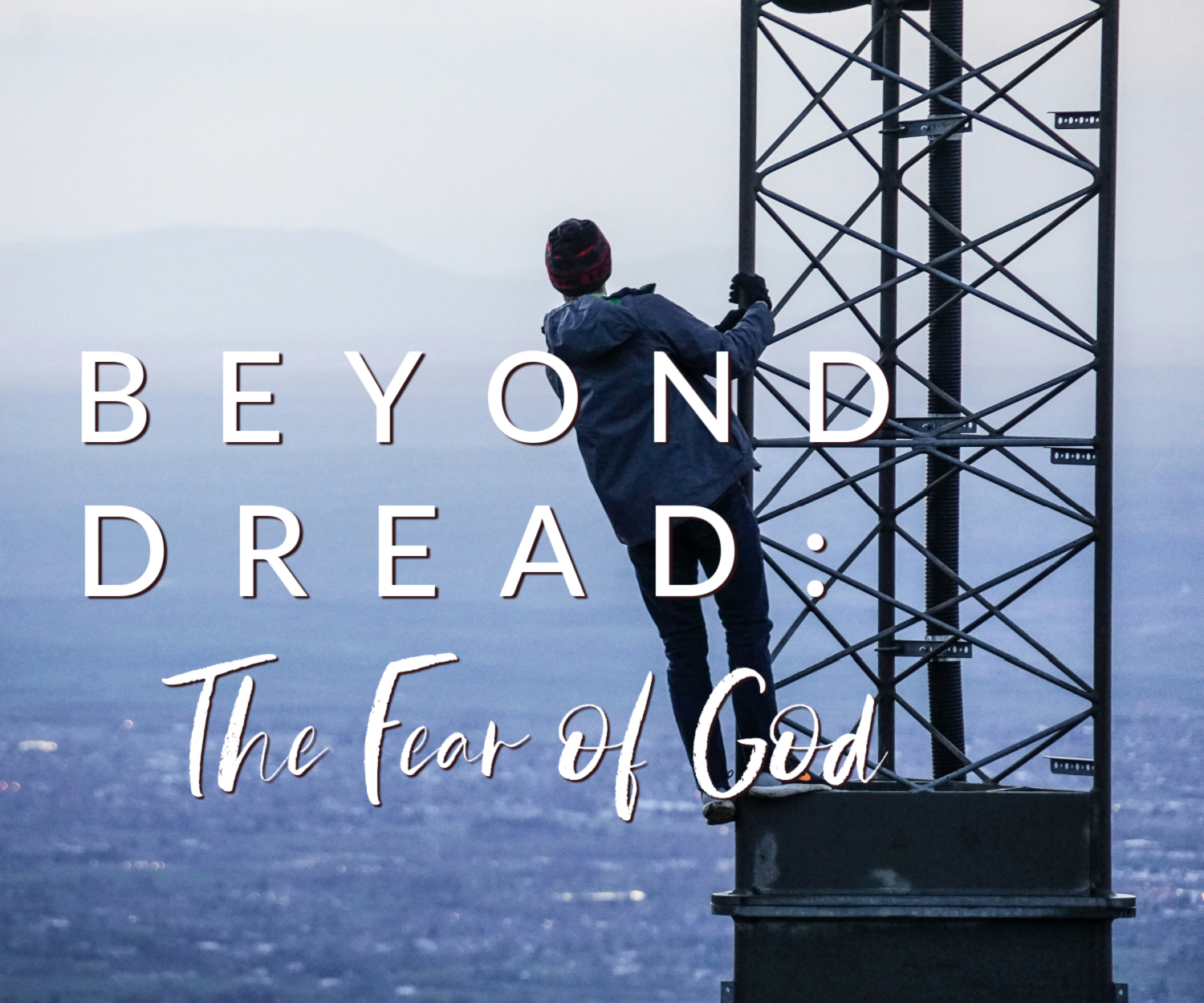
The ‘Fear of God’ is one of the most misunderstood concepts in Christianity. But what is it exactly? Is it a crippling terror or the very foundation of wisdom? Too often, this essential virtue is dangerously mischaracterized. Ironically, it seems some are telling us to actually fear… the ‘fear of God’. Unfortunately, in an era of Biblical illiteracy, warped interpretations continue to confuse. Let me offer a clearer, more powerful perspective.
First, we must understand that the fear of God is not contrary to the love of God. Fear, in this sense, is an honouring virtue that does not demand trembling, terror or paralyzing dread. This is simply not what Christians mean when we speak of fearing God. The mistake comes from contrasting the love of God with the fear of God. They are not comparable.
The truer contrast is not between the love of God and the fear of God, but between the Fear of God and the Fear of Man.
Stop trying to pit the Love of God against the Fear of God–they are not opposite or antagonistic. Instead, the ‘fear of God’ is the inverse of the ‘fear of man’. Suggestions that fearing God is a negative concept rely on outdated motifs or are simply a way to generate controversy. The way we might fear man is the way we should fear God.
What does it mean then to fear man? We don’t imagine a cowering or trembling figure; we picture someone who is catering or appealing to human opinion. Fearing man means positioning yourself to serve their interests and avoid their displeasure. It reduces us to seeking the favour of people rather than the favour of God.
In this light, the meaning of the fear of God becomes clear. To fear God is to choose to please Him. It is saying: Do not seek to please men; please God.
The Apostle states his case similarly, saying:
For do I now persuade men, or God? Or do I seek to please men? For if I still pleased men, I would not be a bondservant of Christ. —Galatians 1:10
Our freedom to be a bondservant of Christ is fundamentally hindered by the need to please man.
On the other hand, the fear of God makes our loyalty explicit. It makes us carefully attentive to the things He loves. While His full, unbridled majesty may be terrifying, the fear of God itself is not meant to leave us cowering in a fetal position. Instead, it is the foundation of profound regard and honour.
Even Jesus underscored this inverse relationship when He rebuked Peter—addressing Satan—chiding him for favouring the desires of men. He defined him as being ‘mindful’ of the things of man. Of course, Satan does this to manipulate men, but it doesn’t change the fact that what he’s doing is the opposite of fearing God. The disposition to please man is clearly the polar opposite of the fear of God.
To minimize misunderstanding, let's establish a clear definition: The fear of God is an acknowledgment of His glorious and obvious superiority, which enthrones Him at the pinnacle of all things.
Those who grasp this truth will naturally desire to align themselves with His ways. This is the fear of God! As such, it is rightly called the beginning of wisdom, for it inspires us to align with His thoughts in every way possible. When we recognize His righteousness (His superior rightness), nothing else makes sense but to side with Him.
The fear of God is not a shivering torment, but an intelligent, sensible adherence to the one true reality. Fear God!